


Best of Aviation
Page 6 of 13
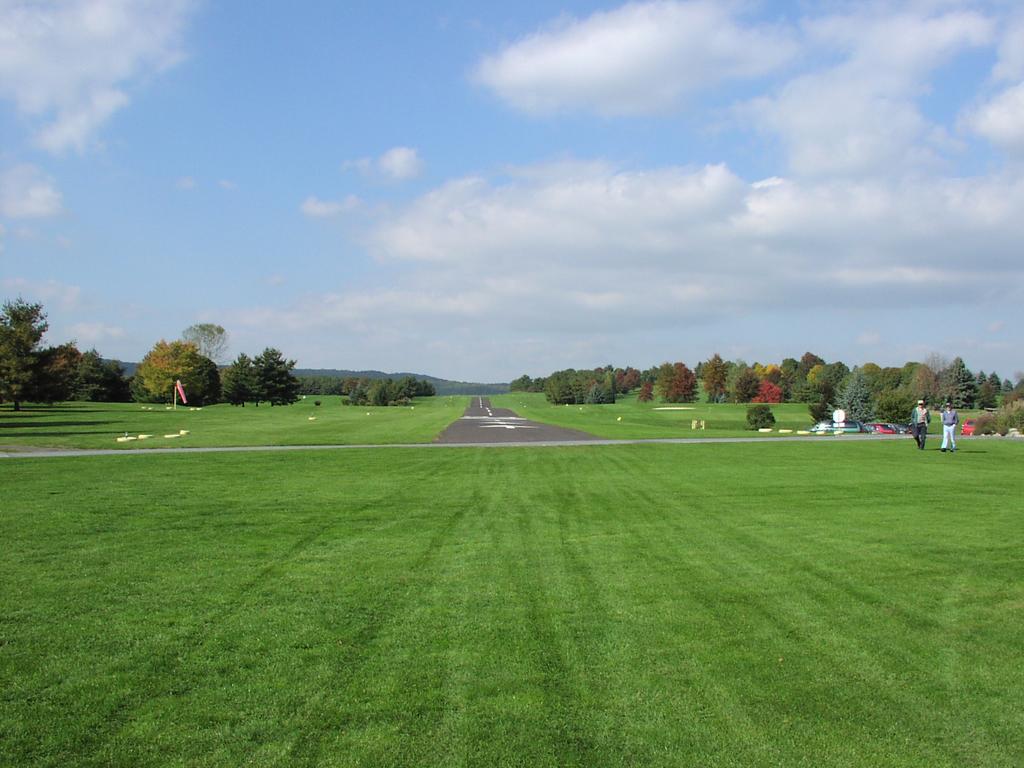
A unique view down the combined grass / asphalt runway at the Butter Valley Airport in Pennsylvania, located just south of Allentown. |
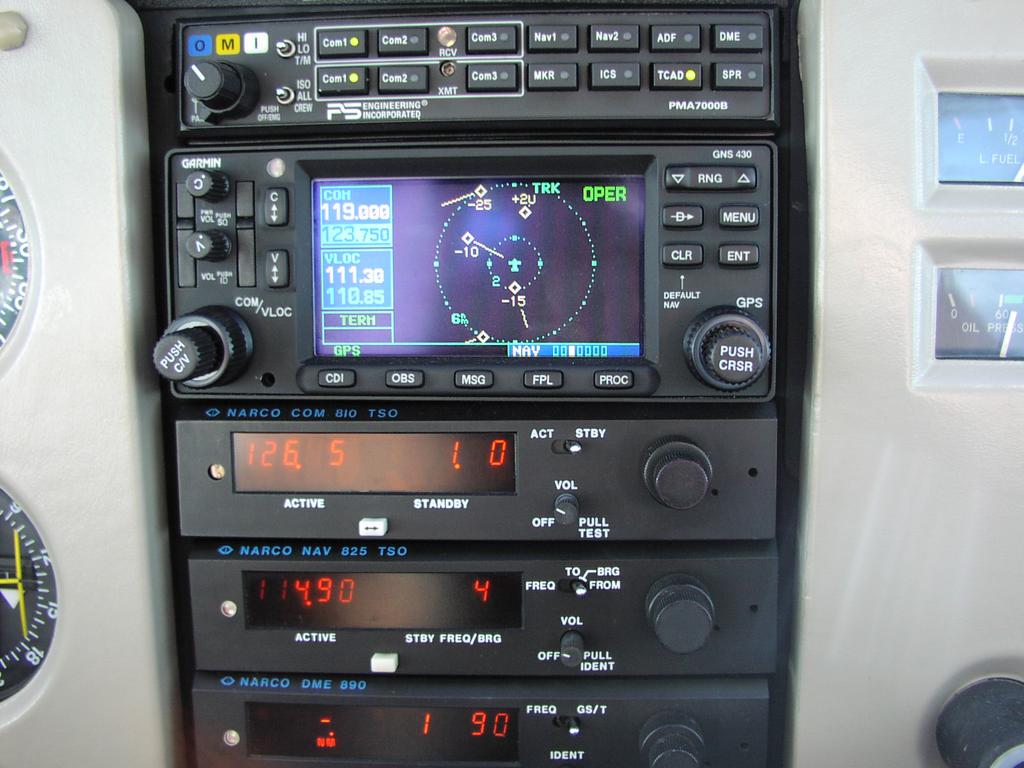
One of the better features we've added to the aircraft is traffic detection, enabled. It's already saved our bacon a few times. |
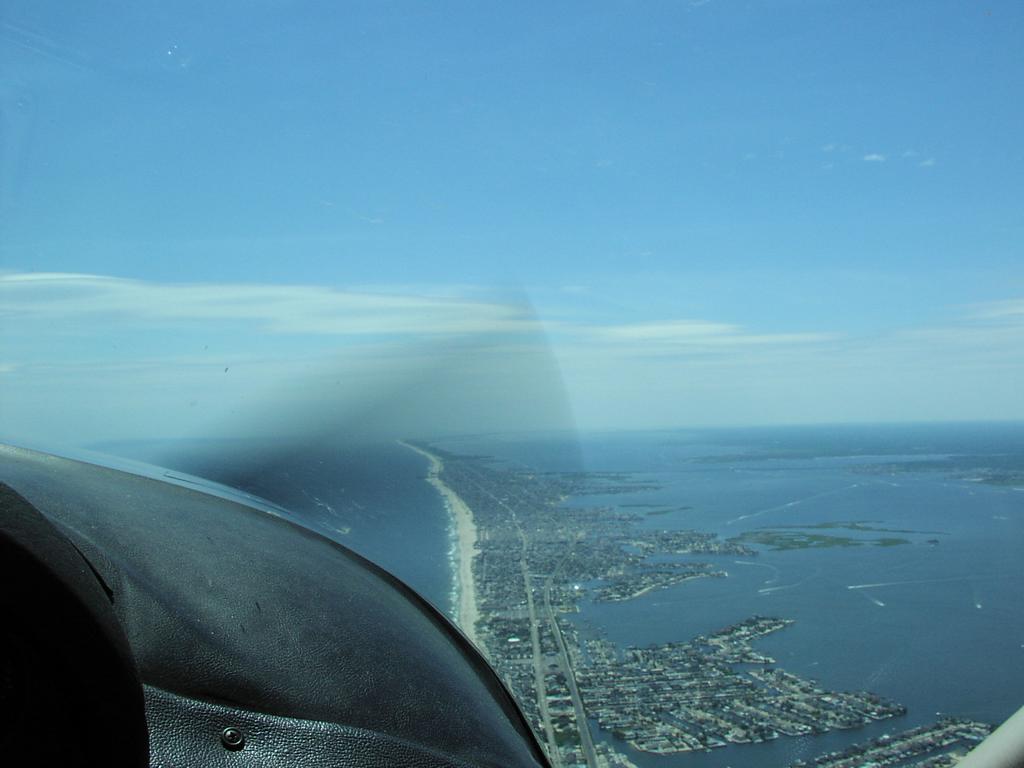
A beautiful day for flying the Cardinal down to Ocean City, NJ, which is conveniently located across the street from the beach. |
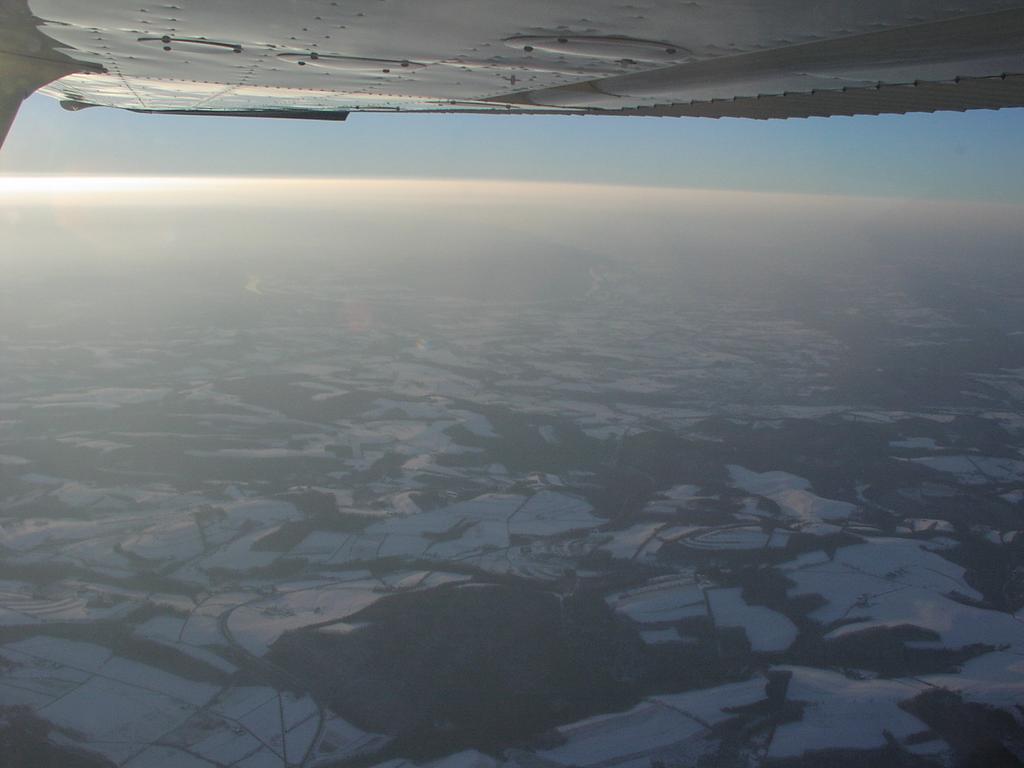
Temperature inversions and poor visibility are not usually associated with winter, but here's a classic picture of these conditions after a recent snowfall. Notice that above the inversion the visibility is unrestricted. |
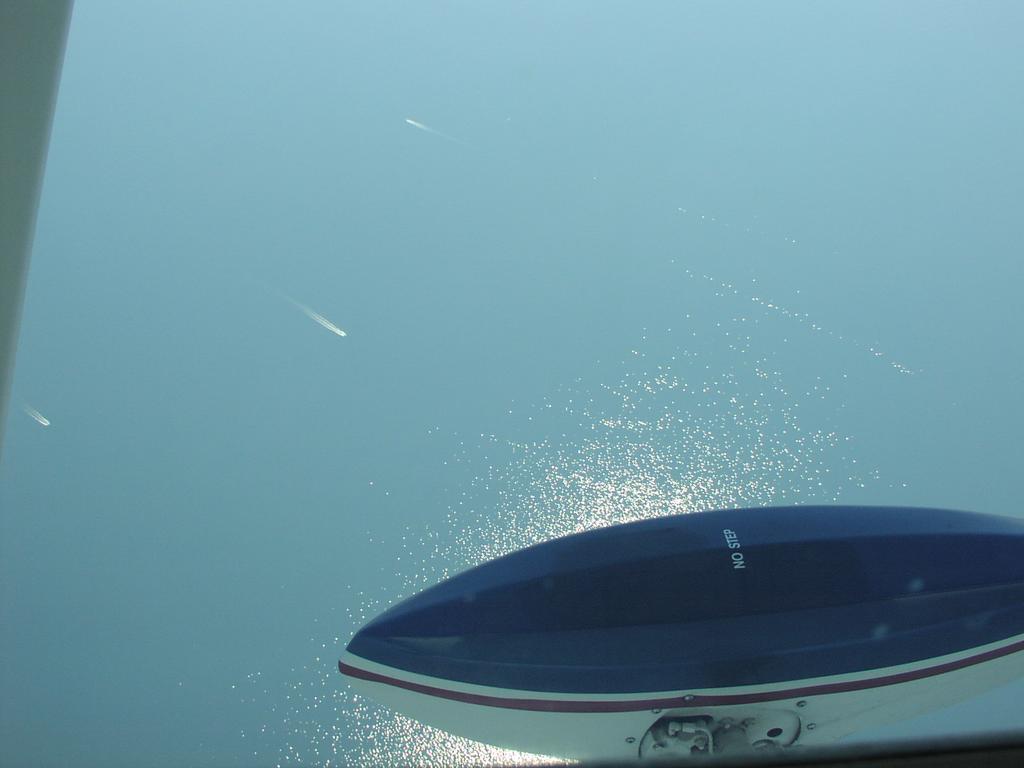
Looking down on some boats in Long Island sound as we cross just east of NYC. |
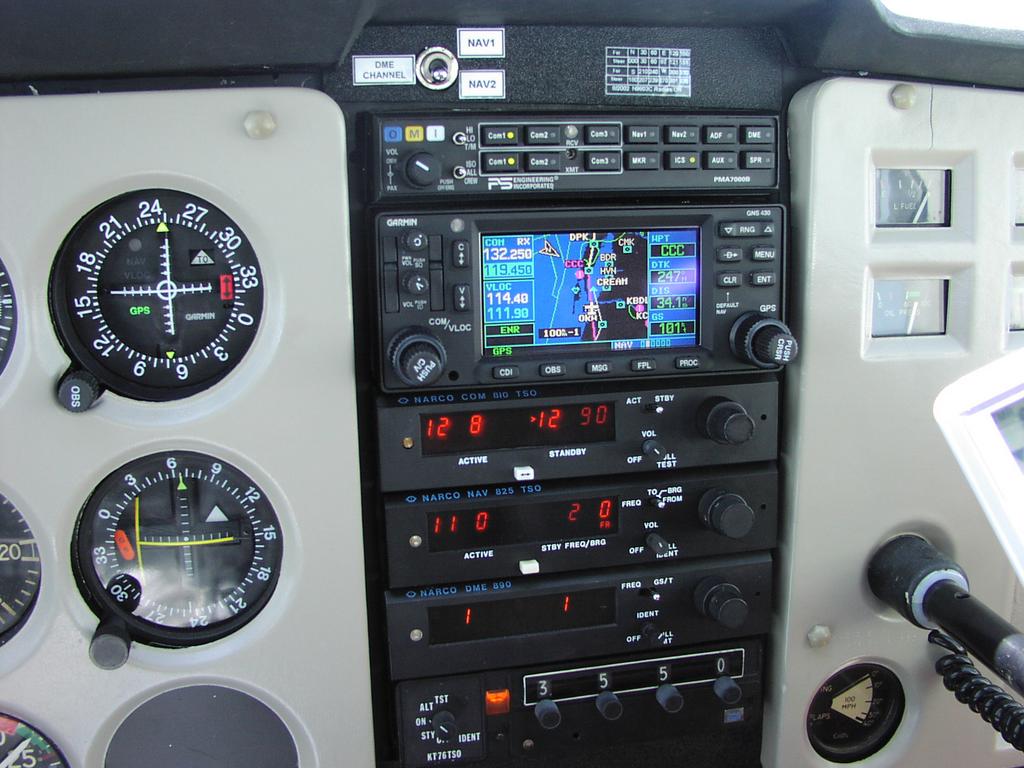
A regular route from the Boston area takes us southwest over Calverton (aviation identifier: CCC) on Long Island. |
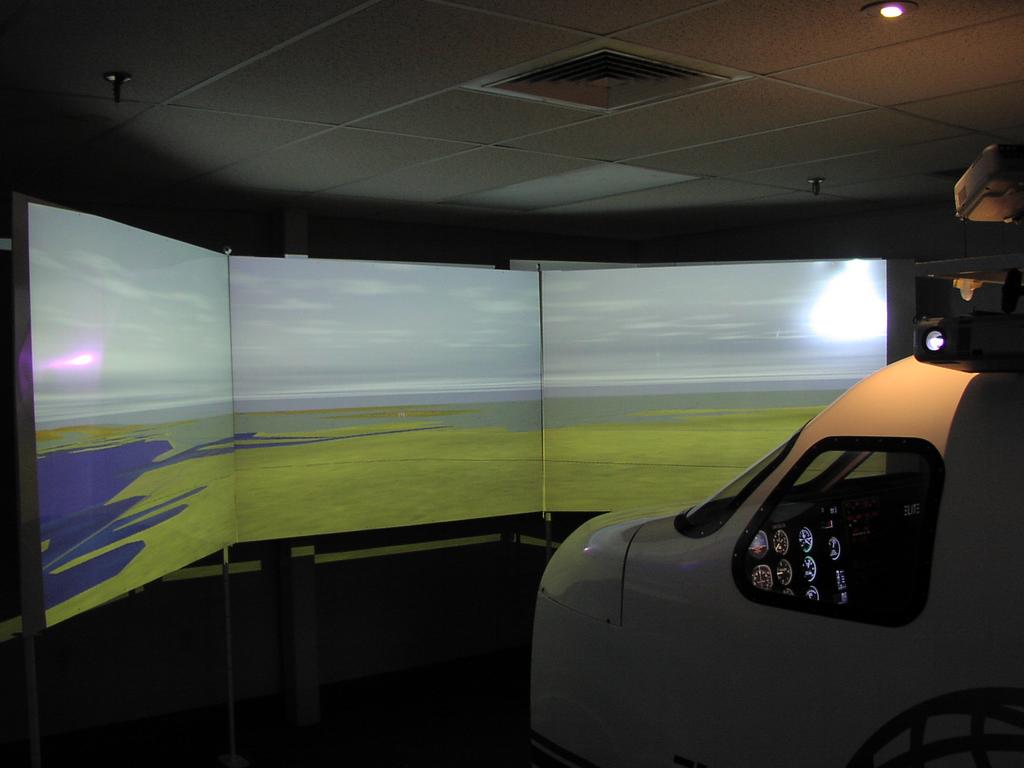
As flight simulators become more sophisticated, they play an increasingly important role in the training of pilots. Pilots can learn procedures to handle emergency conditions that would be unsafe to duplicate in the real airplane. |
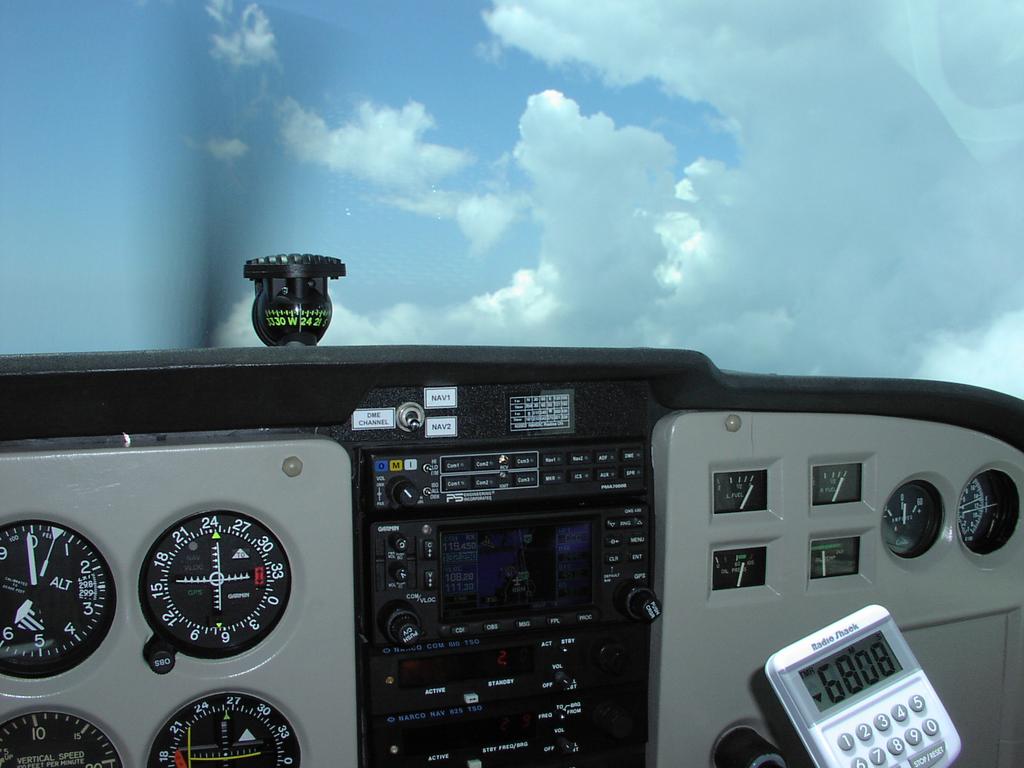
Level at 6000 feet, you can see the edge of some towering cumulus. While this particular cloud is harmless, it can be a bit bumpy inside, so we try to steer clear of them if possible. |
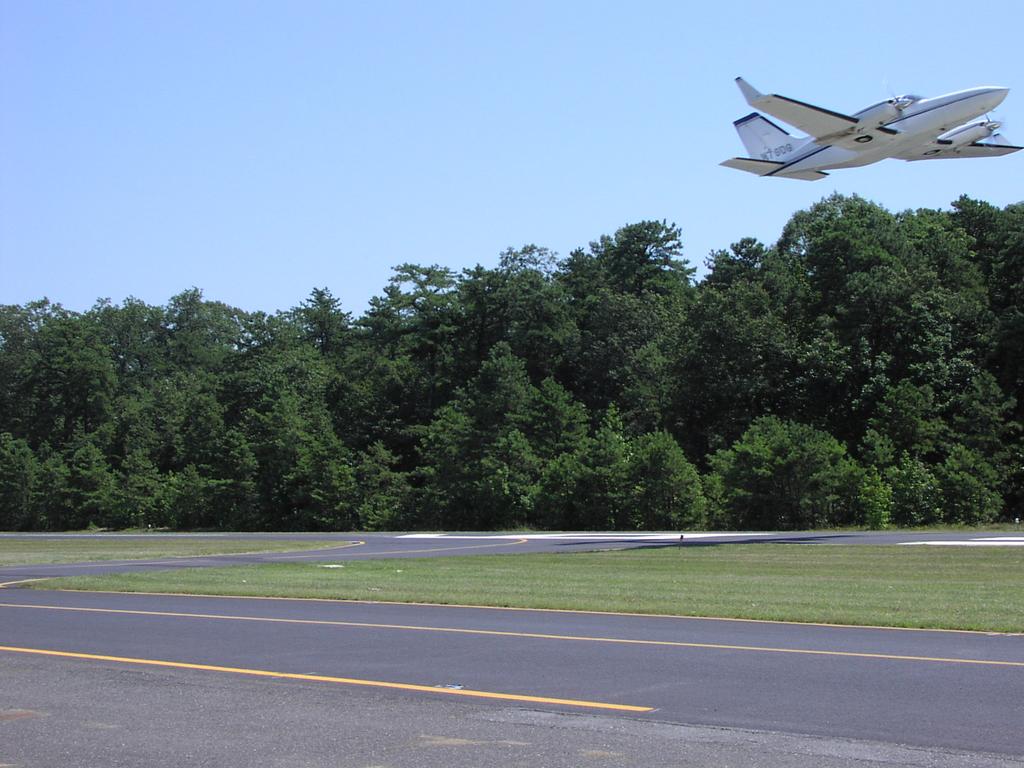
Snapped this picture a bit later than I wanted to, but the Cessna 421 is fast enough, even during takeoff, that it tends to get out of frame quickly. |