

Best of Aviation
Page 9 of 13
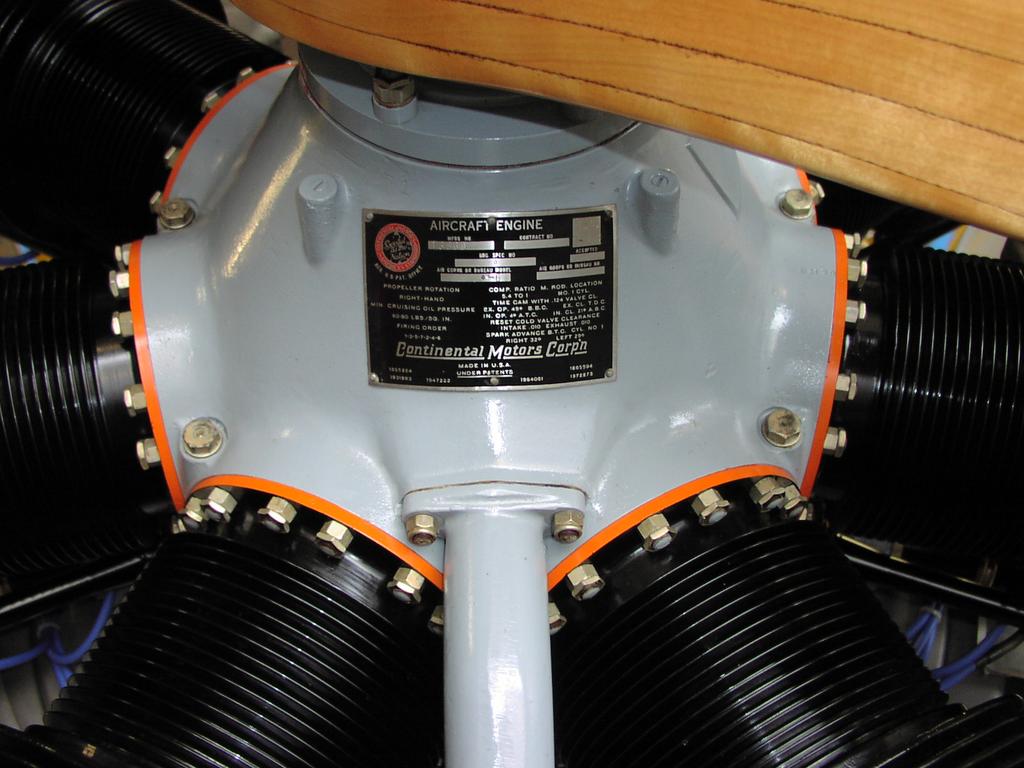
Radial engines are largely a thing of the past, but they can be overhauled and made to function like new just like this example from a newly restored Boeing Stearman biplane. The orange stripes are part of a color code that denotes the type of cylinder barrel type -- in this case chrome. |
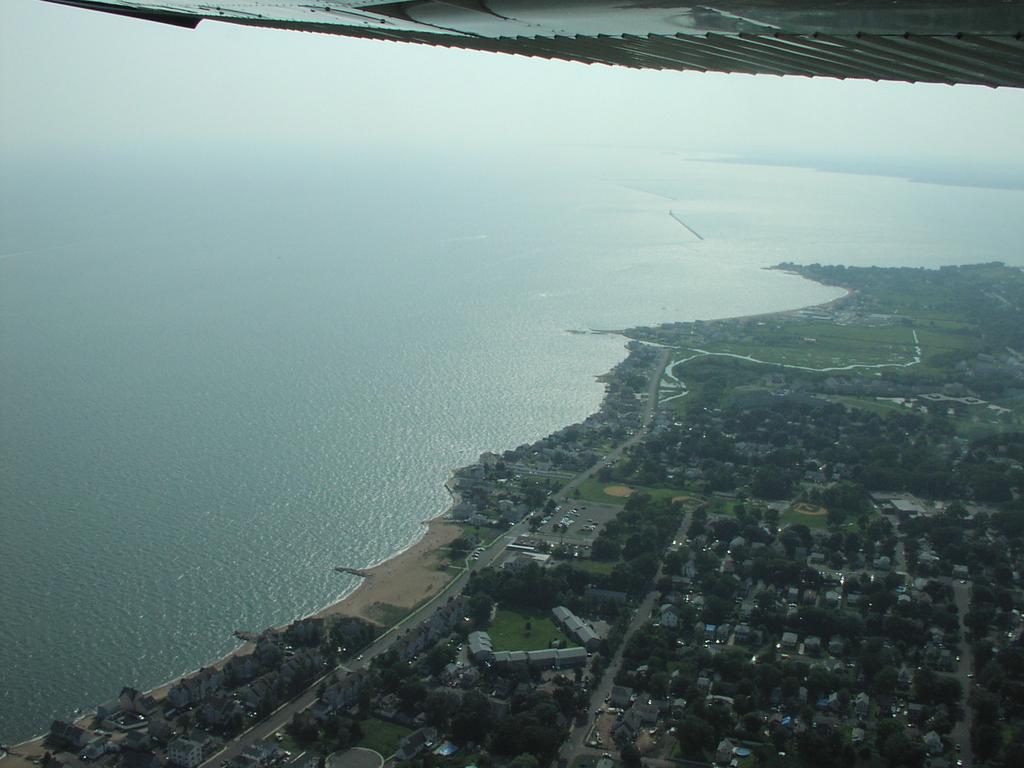
Headed southbound out over the water just after departure from the Groton-New London airport in Connecticut. Taken from about 800 feet. |
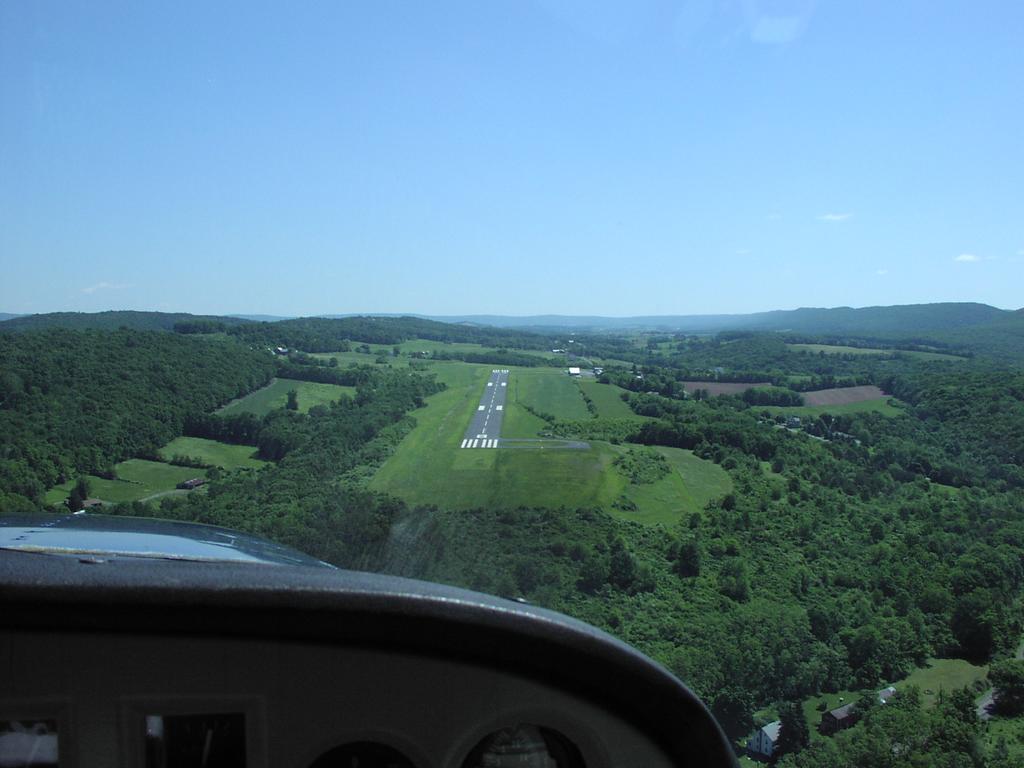
The nose is canted to the left to compensate for a crosswind. Airport runways are aligned with the prevaliing winds, but most days there is at least some crosswind, so all student pilots learn to deal with them. |
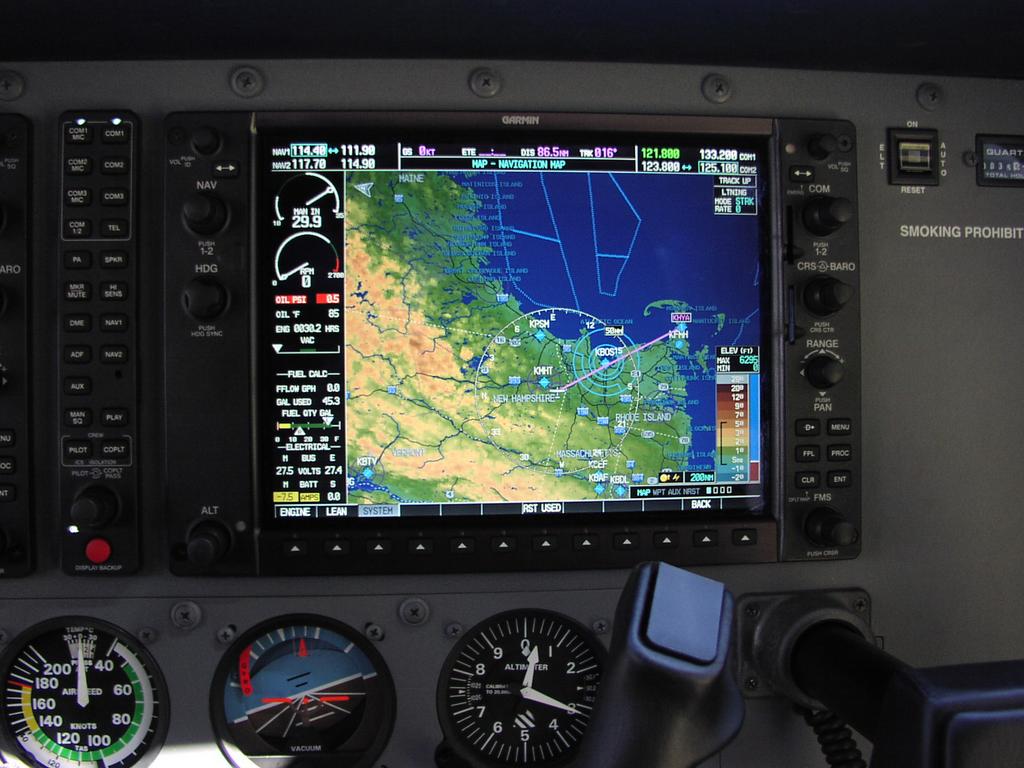
This is the "multi-function display" portion of the Garmin G1000 avionics suite, pictured here in a Cessna 182. This shows our current position (Nashua, NH) with vivid clarity. |
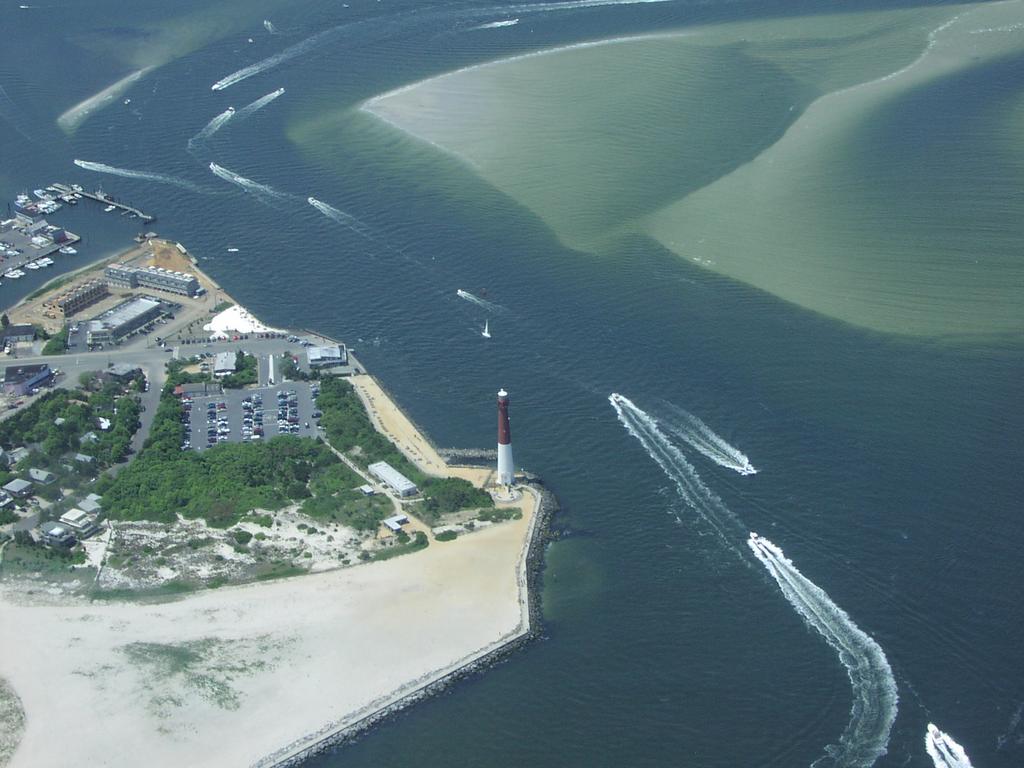
A closeup of the Barnegat Lighthouse. Although taken from about 2000 feet, I have zooomed in quite a bit. High wing airplanes make aerial photography easy, but I still prefer low wing airplanes. |
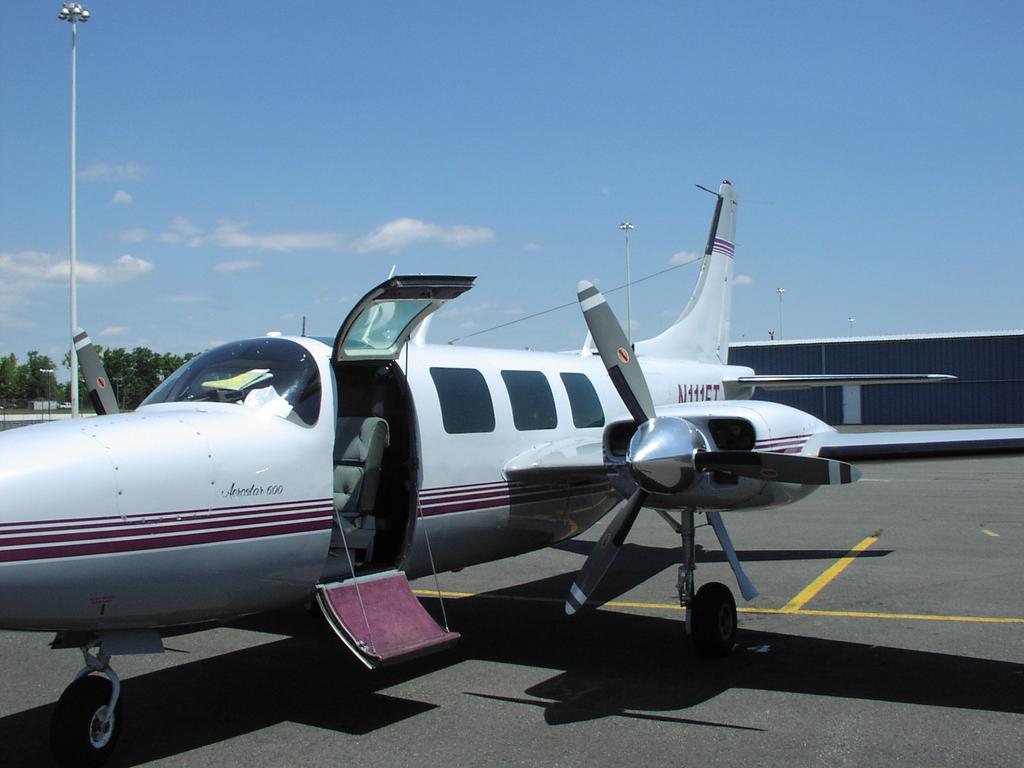
This Aerostar is the fastest airplane I've ever flown, and one of the most fun. Unfortunately, they're costly to work on and are thus expensive to operate, but many private owners swear by their speed. |
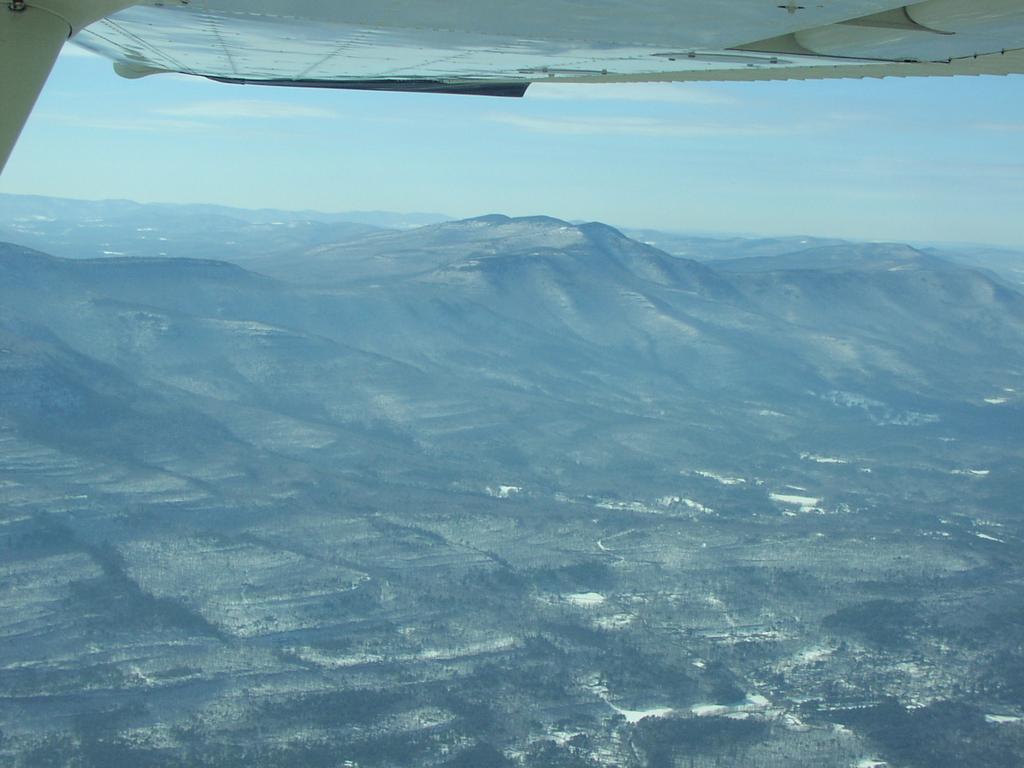
Another picture of the Catskills mountains in eastern New York state. This picture is focused on the highest peak in the region. |
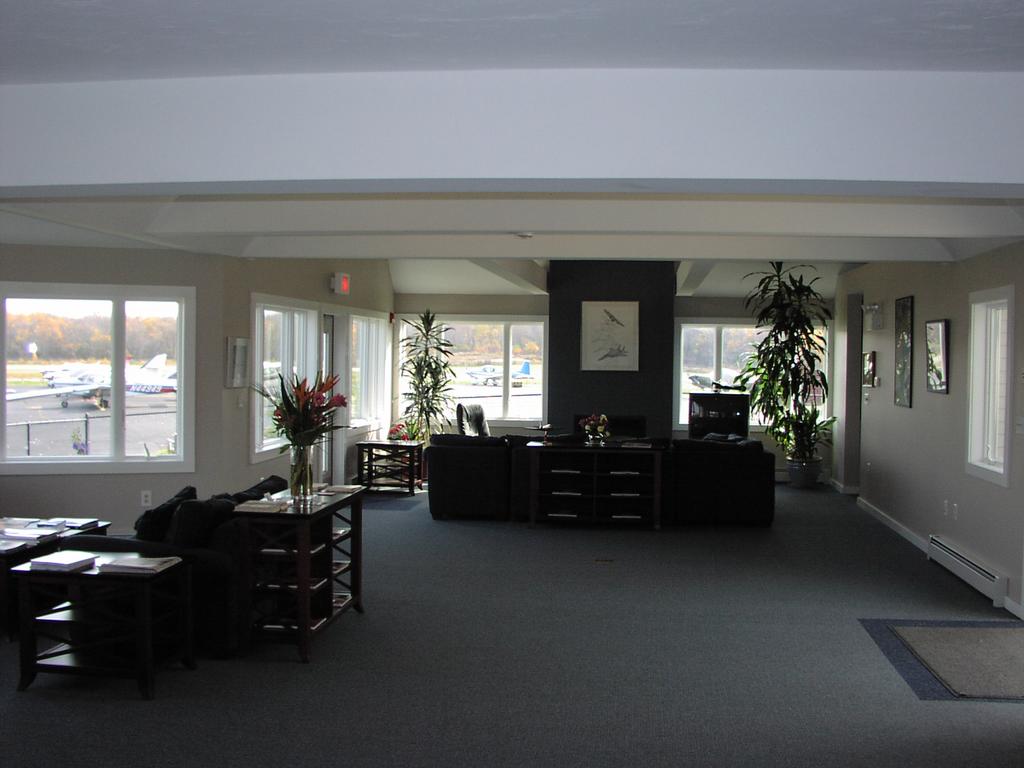
One of the nicer small airport terminals we found in Marshfield, MA. This is one of the perks of traveling via private aviation -- comfy chairs and quiet surroundings -- unlike your average air carrier terminal. |
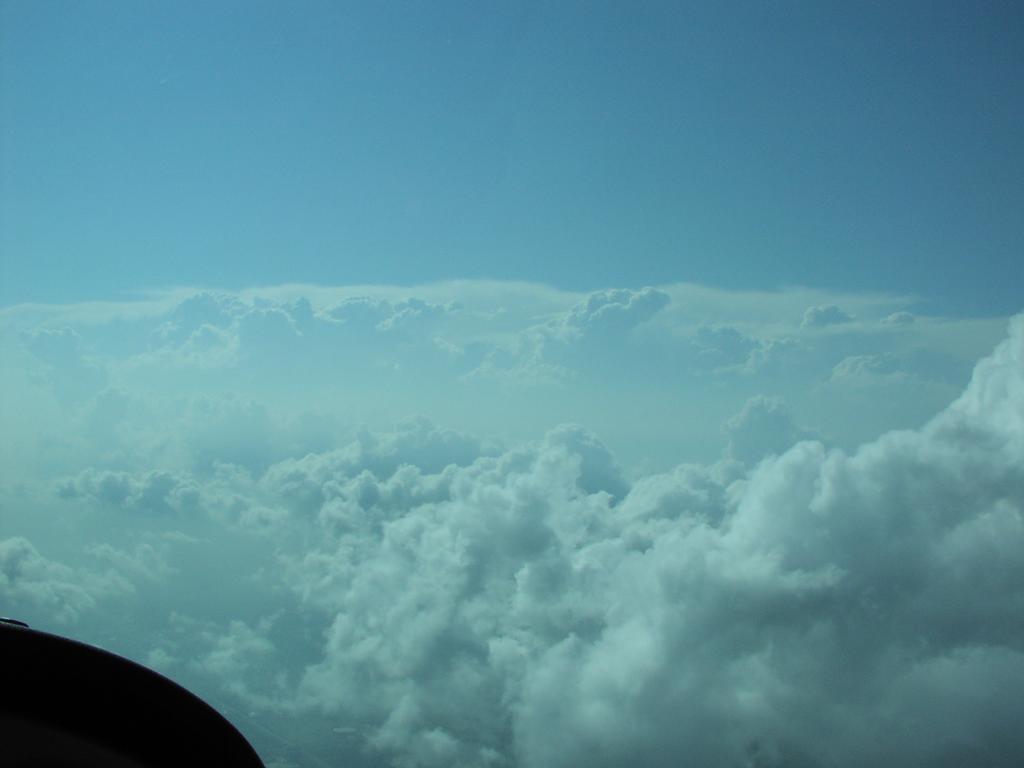
A summer day in New Jersey with a line of thunderstorms approaching from the west. |